Diabetes Care Eye Exam
Diabetic Eye Exam The Eye Care Team
Retinal eye exam o a retinal or dilated eye exam by an eye care professional (optometrist or ophthalmologist) in measurement year o a negative (for retinopathy) retinal or dilated eye exam by an eye care professional in prior measurement year o bilateral eye enucleation any time during the member’s history.
Eyeexams For People With Diabetes
The american diabetes association agrees that an annual eye exam is a must for those living with diabetes offering a simple way to prevent or delay disease and vision loss caused by diabetes. “fortunately, we can effectively manage and even prevent diabetic eye disease with early detection and treatment,” said tracey brown, ceo of the. The eye care professionals at whitson vision are diabetic exam specialists. not only can they check and assess your vision, they can guide you through the vision-related aspects of your diabetes management efforts. you can call either office or use the online booking tool to arrange your diabetic retinopathy exam today.
Why it’s important to have an eye exam soon after you find out you have diabetes. after the first eye exam, all adults with diabetes should have a dilated eye exam every year, although your doctor may suggest every 2 or 3 years after a normal exam. exams may be needed more often than once a year if you have eye problems. diabetes and. Patients with an eye screening for diabetic retinal disease. this includes diabetics who had one of the following: •diabetic with a diagnosis of retinopathy that overlaps the measurement period and a retinal or dilated eye exam by an eye care professional in the measurement period •diabetic with no diagnosis of retinopathy overlapping the measurement period and a retinal or dilated eye. People with type 2 diabetes have some eye problems when they are diagnosed with diabetes. that’s why it’s important to have an eye exam soon after you find out you have diabetes. after the first eye exam, all adults with diabetes should have a dilated eye exam every year, although your doctor may suggest every 2 or 3 years after a normal exam. exams may be needed more often than once a year if you have eye problems. diabetes and pregnancy. This includes diabetics who had one of the following: a retinal or dilated eye exam by an eye care professional in the measurement period or a negative retinal exam (no evidence of retinopathy) by an eye care professional in the year prior to the measurement period. numerator exclusions.
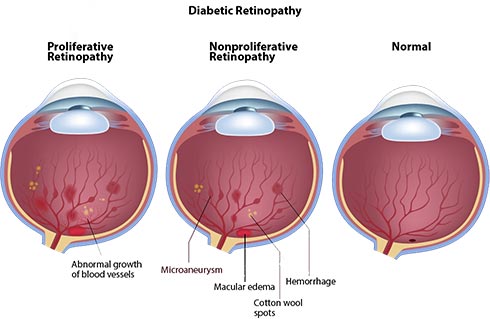
Eye Complications Ada American Diabetes Association
Diabetes care: eye exam clinical basis. diabetic retinopathy is a highly specific vascular complication of both type 1 and type 2 diabetes with prevalence strongly related to both the duration of diabetes and the level of glycemic control. it is the most frequent cause of new cases of blindness among adults aged 20 to 74 in developed countries. Hedis measure: comprehensive diabetes care retinal eye exam (dre) we are committed to working with you to improve the quality of care and health outcomes for our members, your patients. hedis (healthcare effectiveness data and information set) is one tool we use to measure many aspects of performance.
Even if the doctor who takes care of your diabetes checks your eyes, you need an eye exam every 1 to 2 years by an eye doctor who takes care of people with diabetes. an eye doctor has equipment that can check the back of your eye much better than your regular doctor can. Diabetes affects the tiny blood vessels in the back of your eye, which your eye doctor can examine during an eye exam—often times long before you ever even experience other symptoms if you haven’t been told you have diabetes and are wondering if you’re at risk for type 2 diabetes, we’re here to help. Comprehensive diabetes care: eye exam (retinal) performed metric information metric description: the percentage of medicaid beneficiaries 18-75 years of age, with diabetes (type 1 and type 2) who had a retinal or dilated eye exam by an eye care professional during the. See more videos for diabetes care eye exam.
Diabetes Eyeexam
Hedis measure: comprehensive diabetes care eye exam diabetes care retinal eye exam (dre) we are committed to working with you to improve the quality of care and health outcomes for our members, your patients. hedis(healthcare effectiveness data and information set) is one tool we use to measure many aspects of performance. for: search menu menu patients & families healthcare services diabetes care and endocrinology eye exams and optometry physical therapy and rehabilitation behavioral health
Get annual eye exams. doctors recommend that adults with diabetes get an annual dilated eye exam to check for micro-vascular issues that affect people with diabetes. the eye doctor checks the retina (back of the eye) for signs of retinopathy, as well as the macula (center of the retina) for diabetic macular edema. at an annual eye exam, the eye. cervical cancer screening chlamydia screening colorectal cancer screening diabetes care: eye exam care quality topics specialty herniated disc surgery: assessing symptoms (12 months) depression: improved symptoms (6 months) diabetes care: eye exam diabetes: adults herniated disc surgery: assessing symptoms herniated It is recommended that individuals with diabetes between 18 and 75 years old receive an eye exam at least once a year to detect problems with their eyesight. the graph above shows the percentage of diabetics in this age range who received a yearly eye exam. why is this important?.
Diabetic eye exams go deeper than usual since diabetics are vulnerable to specific diseases, our exams are adapted to search for even the tiniest tell-tale signs of both diabetic retinopathy and diabetic macular edema (dme), diabetes care eye exam in addition to assessing your overall eye health and visual acuity. Choose an eye doctor who takes care of people with diabetes. your eye exam may include: dilating your eyes to allow a good view of the entire retina. only an eye doctor can do this exam. at times, special photographs of your retina may replace the dilated eye exam. this is called digital retinal photography. The graph above shows va medical center scores compared with non-va hospital scores for eye exams given to patients with diabetes. the percentages represent the number of patients with diabetes who received the recommended annual eye exam. for this measure, a higher percentage indicates a higher quality of care, with 100 percent being the target. Eyeexam (retinal) performed. medical attention for nephropathy. bp control (<140/90 mm hg). with support from health care providers, patients can manage their diabetes with self-care, taking medications as instructed, eating a healthy diet, being physically active and quitting smoking. 1. results. blood pressure control (<140/90 mm hg) year.
The “diabetic eye exam” is a frequently discussed topic at optometric conferences. but i really don’t know why because no such thing exists. we can provide a comprehensive ophthalmic exam for a patient with diabetes in the absence of diabetic retinopathy using codes 920x4 as medical policy guidance provides. Eye complications. people with type 1 and type 2 diabetes are at a heightened risk for eye complications and peripheral neuropathy. you may have heard that diabetes causes eye problems and may lead to blindness. people with diabetes do have a higher risk of blindness than people without diabetes. Covers eye exams for diabetic retinopathy once each year if you have diabetes. your doctor or other health care provider may recommend you get services more often than medicare covers. or, they may recommend services that medicare doesn’t cover. if this happens, you may have to pay some or all of the costs.
Diabetic eye exam: why it matters healthline.
Diabeteseyecare: medlineplus medical encyclopedia.
The american diabetes association (ada) recommends that people with type 1 diabetes have their first eye exam within the first five years after diagnosis. if you have type 2 diabetes care eye exam diabetes, the ada. The main reason people with diabetes are encouraged to have regular eye exams is to look for changes in the blood vessels of the retina that indicate diabetic retinopathy. diabetic retinopathy develops as prolonged exposure to high blood glucose weakens the walls of the blood vessels in the eyes. These practices include receiving annual foot and eye exams and attending diabetes self-management classes. table 2 presents estimates of the percentage of us adults aged 18 or older with diagnosed diabetes who reported receiving recommended preventive care practices by state. table 2. This measure examines the percentage of members ages 18-75 with diabetes (type 1 and type 2) who had each of the following: hemoglobin a1c testing retinal eye exam medical attention for nephropathy blood pressure control (<140/90) medical record documentation includes hemoglobin a1c testing.


Comments
Post a Comment