Diabetes Insipidus Gestasional
Diabetes and heredity: type 1, type 2, and gestational.

Moved permanently. the document has moved here. Most commonly known as gestational di, gestagenic diabetes insipidus is a rare disorder that diabetes insipidus gestasional happens in pregnancy, usually in the third trimester.
Gestational Diabetes Insipidus
Diabetes mellitus and diabetes insipidus share the first word of their name and some of the same symptoms. but that’s where the similarities end. these two diseases aren’t related. they cause. Gestational diabetes insipidus. all those individuals may indeed have to boost the quantity of drinking water they will drink to pay to get the improved liquid reduction through peeing. cranial diabetesinsipidus can usually be treated having a produced edition of anti-diuretic body hormone, known as desmopressin, by means of a nose apply or. Diabetesinsipidus can happen because of kidney problems or an issue in the brain from surgery, a tumor, infection, or a head injury. pregnancy. mothers-to-be can get gestational diabetes insipidus. Find out everything you need to know about diabetes here. get information on type 1, type 2, and gestational diabetes. discover symptoms, causes, and risk factors. learn about the effects that the.
Diabetes Insipidus The Other Diabetes
*diabetes insipidus facts medically edited by: melissa conrad stöppler, md. diabetes insipidus is not related to diabetes mellitus (type 1 and type 2 diabetes). ; diabetes insipidus is caused by problems related to the antidiuretic hormone (adh) or its receptor and causes frequent urination. ; there are four types of diabetes insipidus; 1) central diabetes insipidus, 2) nephrogenic diabetes. More diabetes insipidus gestational images.
Gestational di occurs only during pregnancy. diagnosis is often based on urine tests, blood tests and the fluid deprivation test. diabetes mellitus is a separate condition with an unrelated mechanism, though both can result in the production of large amounts of urine. treatment involves drinking sufficient fluids to prevent dehydration. One of the most common forms of diabetes insipidus is the gestational form of this disease. to be fair, it is more like a disorder than a disease, but in rare cases it can become a permanent health issue. occurring in only women because it is related to a pregnancy, gestational diabetes insipidus can create
Gestagenic Diabetes Insipidus Di Symptoms Causes And
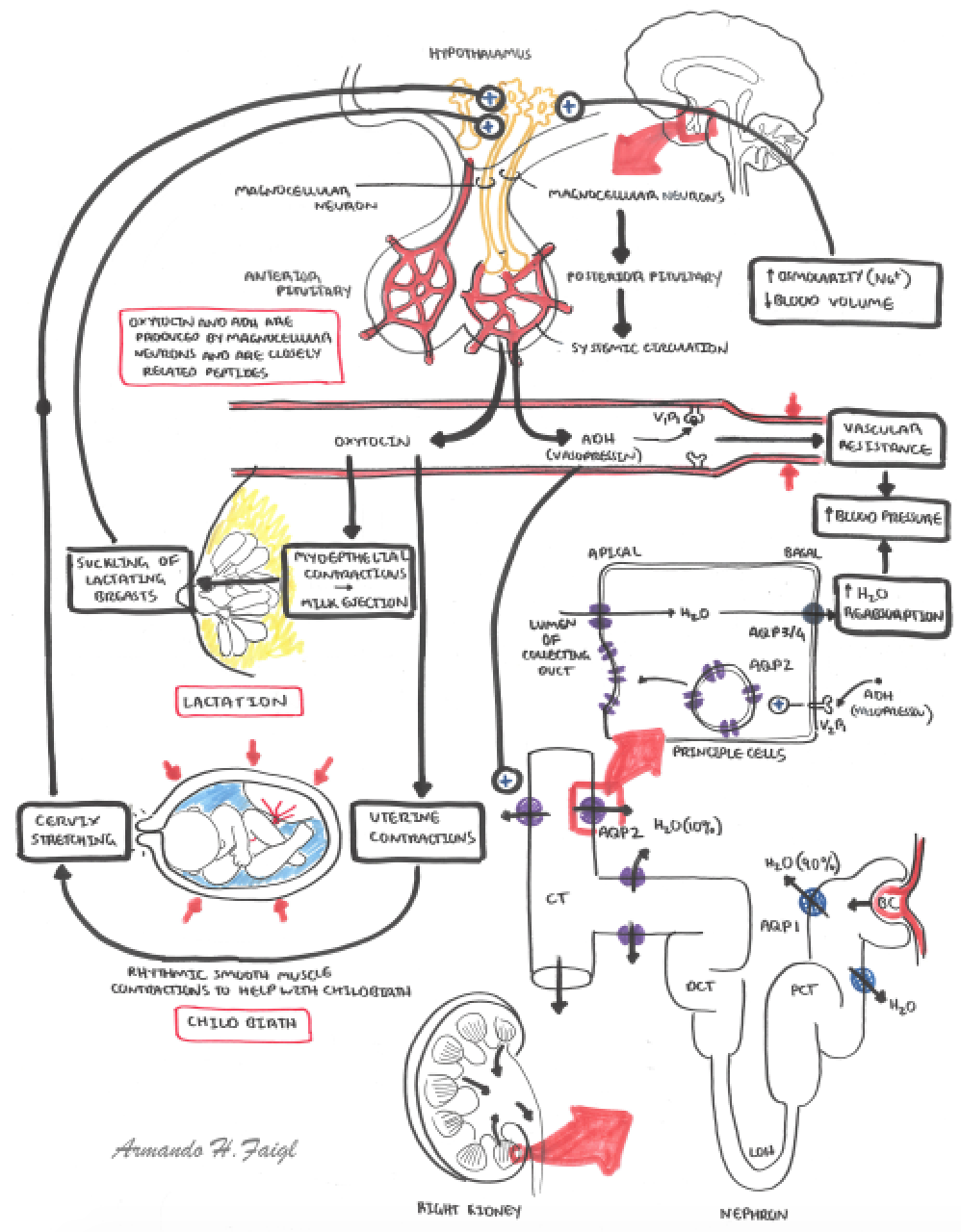
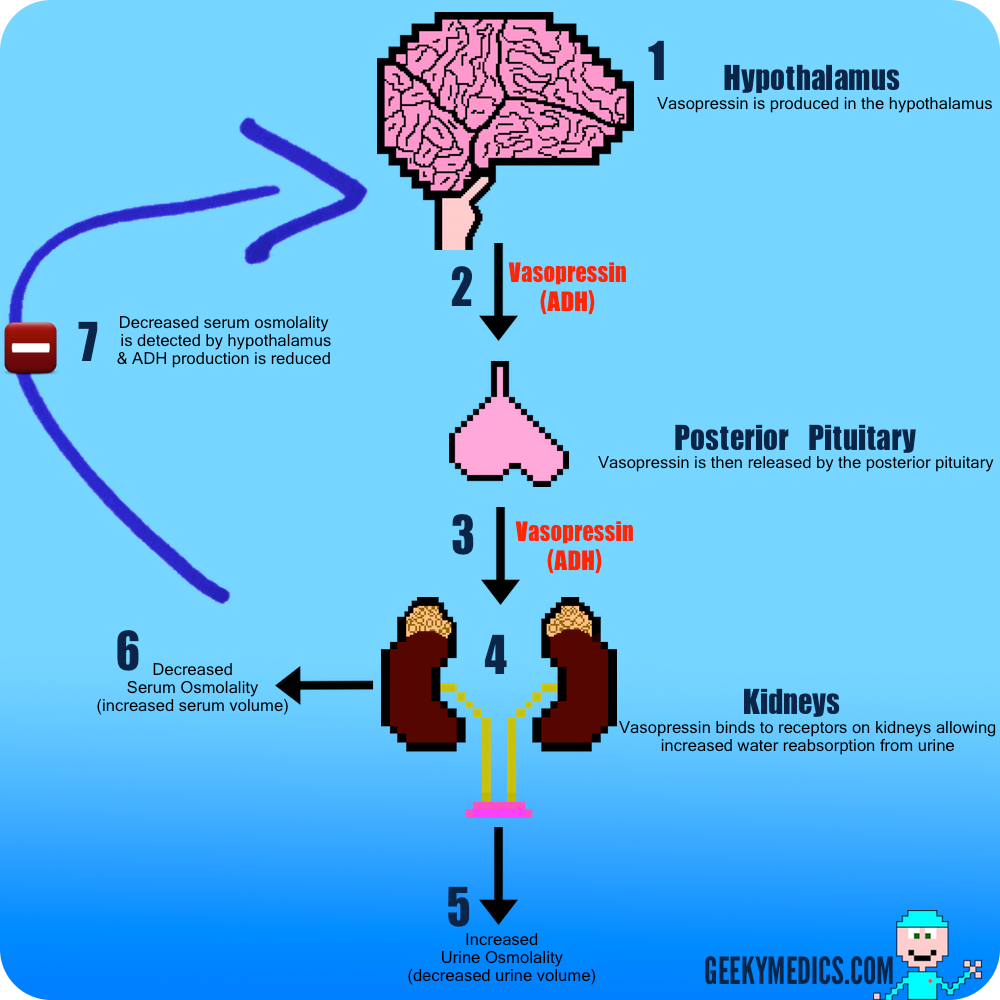
Gestational diabetes insipidus. treatment for most people with gestational diabetes insipidus is with the synthetic hormone desmopressin. Gestationaldiabetesinsipidus. gestational di occurs in about 1 in 30,000 pregnancies as a result of degradation of avp by the enzyme, cysteine aminopeptidase. vasopressinase levels are typically higher in pregnant women (up to 300 times higher), more so in twin pregnancies. Gestationaldiabetes insipidus. treatment for most people with gestationaldiabetes insipidus is with the synthetic hormone desmopressin. primary polydipsia. there is no specific treatment for this form of diabetes insipidus, other than decreasing fluid intake. It's rare, but sometimes during pregnancy, the placenta can make diabetes insipidus gestasional an enzyme that destroys vasopressin, a hormone that controls water retention. this lack of vasopressin causes heavy thirst and.
See more videos for diabetes insipidus gestational. Diabetesinsipidus is a completely different condition from type 1 or type 2 diabetes. these are both types of diabetes mellitus, and they affect either the production of the hormone insulin in. Gestationaldiabetes insipidus occurs only during pregnancy. in some cases, an enzyme made by the placenta—a temporary organ joining mother and baby—breaks down the mother's vasopressin. in other cases, pregnant women produce more prostaglandin, a hormone-like chemical that reduces kidney sensitivity to vasopressin.
Gestational diabetesinsipidus is a rare complication of pregnancy that occurs in 4 out of 100,000 pregnancies as discussed by durr. symptoms usually develop over a few days and include polyuria, polydipsia, fatigue, nausea, weight loss, and decreased skin diabetes insipidus gestasional turgor. Gestational diabetes insipidus (di) is a rare complication of pregnancy, usually developing in the third trimester and remitting spontaneously 4–6 weeks post-partum. it is mainly caused by excessive vasopressinase activity, an enzyme expressed by placental trophoblasts which metabolises arginine vasopressin (avp).

Diabetes insipidus is a different disease from diabetes mellitus. their names are similar, but the only things they have in common is that they make you thirsty and make you pee a lot. Most commonly known as gestational di, gestagenic diabetes insipidus is a rare disorder that happens in pregnancy, usually in the third trimester. this condition can make you so thirsty you drink.
Gestationaldiabetes insipidus affects pregnant women. it is caused by enzymes made by the placenta, a temporary organ that provides nourishment to the fetus. sometimes these diabetes insipidus gestasional enzymes interfere with the kidneys’ ability to process adh. gestational diabetes insipidus usually goes away shortly after the pregnancy is over. When diabetes insipidus is the diagnosis, then the body cannot properly control the balance of fluids within it. the kidneys are either not working properly or hormone levels that tell the kidneys to work properly are out of order. the end result is that people with diabetes insipidus will need to go to the bathroom Diabetes insipidus (di) is a condition characterized by large amounts of dilute urine and increased thirst. the amount of urine produced can be nearly 20 liters per day. reduction of fluid has little effect on the concentration of the urine. complications may include dehydration or seizures.. there are four types of di, each with a different set of causes. An infant or young child with diabetes insipidus may have the following signs and symptoms: heavy, wet diapers bed-wetting trouble sleeping fever vomiting constipation delayed growth weight loss.
When gestational diabetes insipidus is present, the enzyme that the placenta produces destroys enough vasopressin that the mother’s body believes that it should be expelling water at all times. in response, the body begins to dehydrate and so the mother begins to feel thirsty. Gestationaldiabetes insipidus. gestationaldiabetes insipidus is rare. it occurs only during pregnancy when an enzyme made by the placenta destroys adh in the mother. primary polydipsia. also known as dipsogenic diabetes insipidus, this condition can cause production of large amounts of diluted urine. the underlying cause is drinking an. What causes gestational diabetes insipidus? answer it's rare, but sometimes during pregnancy, the placenta can make an enzyme that destroys vasopressin, a hormone that controls water retention.


Comments
Post a Comment